Striking a chord that resonates
2025/26 has marked a sixth challenging year for the charity sector as we continue to recover from the effects of the pandemic, which have been compounded by the cost of living crisis and shape of the economy.
In 2020, we had to stop our live music overnight. We pivoted then, and continue to adapt to meet the needs of the people who need us most. But demand for our services exceeds what we are able to financially deliver. We have had to make difficult decisions about where to focus our resources. Despite this, we are proud to have continued creating meaningful musical moments, reaching over 37,000 people.
We used this period as an opportunity to reflect on where live music can have the greatest impact and to refine the priorities that will guide us through to 2028. We continue to evidence the change we seek to make as outlined in our Theory of Change: people in hospitals and care settings enjoy a better quality of life and improved health outcomes. This year, we focused our evaluation activity more strategically across targeted areas of delivery. This has enabled us to deepen our understanding of the impact of our work and identify opportunities to strengthen and improve our approach.
Measuring our impact in critical care
It has been a decade since our ICU Hear® programme started in critical care wards across the UK. During that time, the NHS has changed significantly. Increasing pressures on services, workforce challenges and rising demand mean there is growing recognition of the need for other interventions that can support patient recovery and wellbeing while easing the strain on staff and services.
Our current strategy aims to understand and demonstrate the difference our live music makes. As part of this, over the past year we have focused on priority areas of delivery to explore how we gather more meaningful
feedback and data. A more targeted approach allows us to tailor our methods to different settings, ensuring we collect the right type of information in ways that are practical, relevant and sensitive to each environment. Our health and care partners also benefit from access to this data, supporting their own evaluation, planning and continuous improvement.
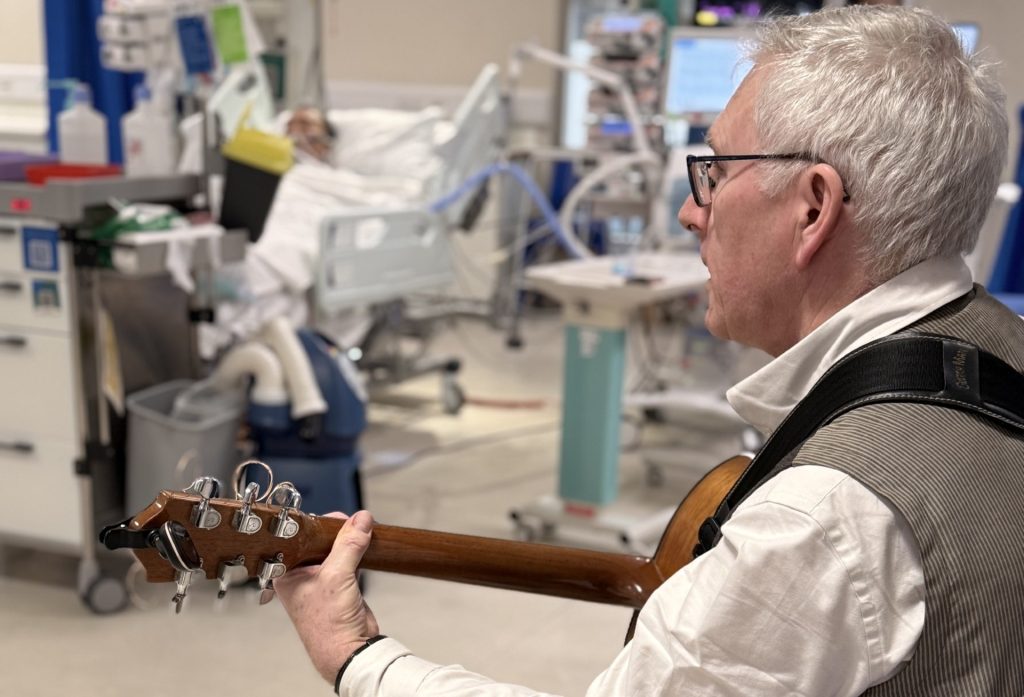
In 2025, we worked with 17 critical care units across the UK, nine of which had live music four or more times. We have been sharing monthly live music at Hammersmith Hospital ICU since 2024 as part of a wider partnership with Imperial College Healthcare NHS Trust across four of its hospitals.
Our musician Paul Kerr, who visits Hammersmith Hospital regularly, explains: “In ICU, even a gentle melody can slow breathing, ease tension, and help patients feel calmer and more connected. I remember a family had gathered to say their goodbyes to their elderly father who was receiving end of life care. The music allowed all the emotion to finally come pouring out, in tears and in words.”
In November 2025 we began working with resident doctor, Dr Wei-Chee Lee, and critical care consultant Louit Thakuria, to support data collection over three months of live music. The study measured clinical indicators such as heart rate and respiratory rate alongside mood and stress levels for patients, visitors and staff.
One family member shared: “It brings calm and healing and helped so much with my husband coming out of sedation after more than a week.”
Paul adds: “Part of my role is not to make it a performance as such, but a musical ambience or experience that people can join in with. I’m not desensitised to the challenging environment of the ICU, I’ve grown accustomed to it. You have to be responsive and pick up on subtle changes, especially in a ward where a lot of patients are non-verbal. It’s really all about collaboration and using music to support patient and staff wellbeing.”
Following this pilot, we are rolling out more targeted approaches to data and feedback collection across different areas of our work and locations throughout the UK. We hope to build a deeper understanding of our impact, strengthen our evidence base, and ensure our work continues to deliver meaningful, measurable benefits. This will help to move closer to our vision that everyone can access and experience the joy of live music.

of patients had an improved heart rate after the live music compared to before
of patients had an improved respiratory rate after the live music
compared to before
of staff and visitors reported a lift in their mood after the music
Highlights
'Where medicine meets melody'
‘Where medicine meets melody’ – Lullaby Hour in the British Medical Journal
This year we aimed to share our expertise in the arts and health sector, enabling more people to find out about and access the benefits of live music in health and care.
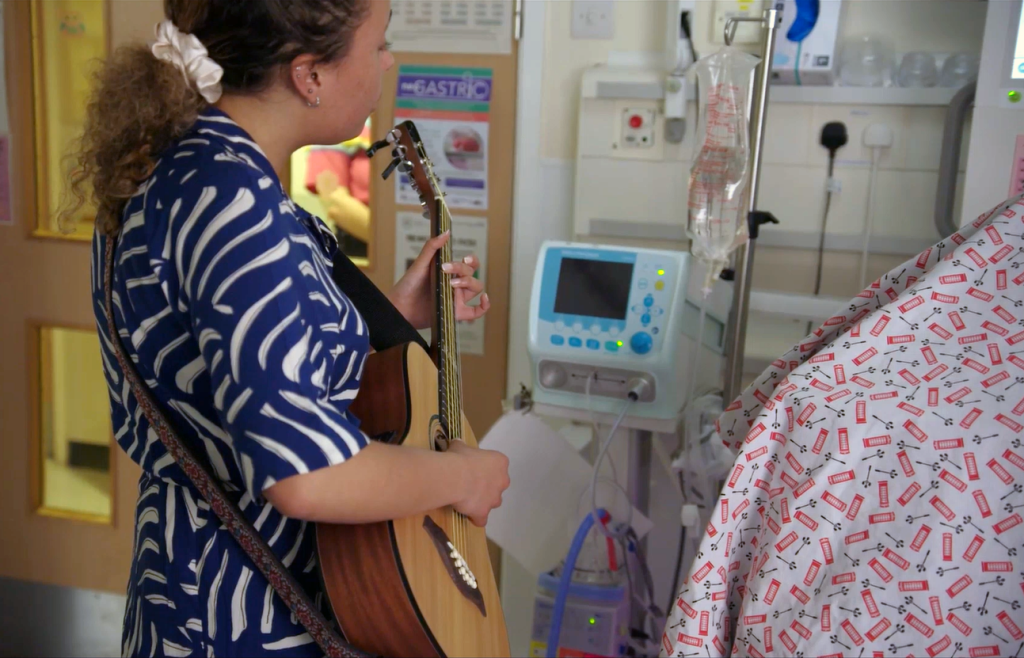
Our award-winning Lullaby Hour programme offers babies, children and their parents or carers the chance to experience special moments and memories together.
We were featured on the British Medical Journal’s website, which receives over 1m page views per week, in an article about Lullaby Hour at St Mary’s Hospital in Paddington. Monthly live music in the neonatal unit forms part of our long-term partnership with Imperial College Healthcare NHS Trust. Our musician Mica Bernard, Impact and Insights Manager Vicky Daborn Tedder and Neonatal Consultant Jay Banerjee spoke about the impact the live music is having for poorly babies and their families.
During the year we also gained coverage for Lullaby Hour on BBC Radio 3, BBC Radio 4 and in The Nursing Times.
“To be able to provide moments of calm through Lullaby Hour is something we’re incredibly proud of. These music sessions not only help parents bond with their baby but also provide a moment’s respite from an uncertain and stressful situation. The feedback from families and the clinical team here has been universally positive.”
Jay Banerjee, Neonatal Consultant at Hammersmith Hospital
Musical Hospitals could save the NHS money
Findings from our Musical Hospitals project with Swansea Bay University Health Board demonstrate the powerful role live music and other arts activities can play in improving people’s health and wellbeing.
The two year project, funded by the Arts Council of Wales, showed that arts activities boosted staff morale, supported patient recovery and strengthened human connection. The evaluation also indicated the potential for over £100k in annual NHS savings per ward.
This collaborative project represents a significant step towards our goal of enabling people in hospitals and care settings to experience a better quality of life. Delivered in partnership with BBC National Orchestra of Wales, Welsh National Opera, Royal Welsh College of Music & Drama and Live Music Now, it demonstrates how collective action across the arts and health sectors, especially in today’s changing landscape, can create positive and meaningful outcomes that extend the reach and impact of our work for those who need it most.
Music in Hospitals & Care shared 174 hours of live music across Neath Port Talbot and Tonna Hospitals. In one neurological rehab ward alone, we saw:
reduction in physical assaults
reduction in verbal assaults
reduction in sedative use
drop in staff sickness
Scoring our live music in Fife
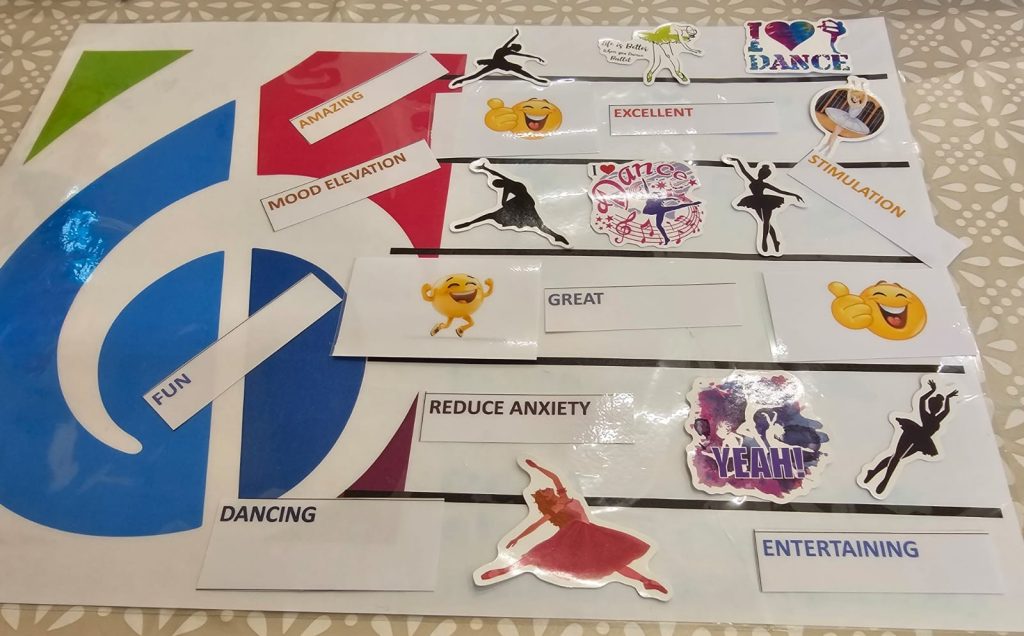
We have been implementing creative evaluation tools at our live music experiences right across the UK, involving interactive activities that support people to give feedback in a fun and accessible way. At The Friendship Cabin in Glenrothes, group members have been using a musical score to express how they feel about the music by placing words and pictures.
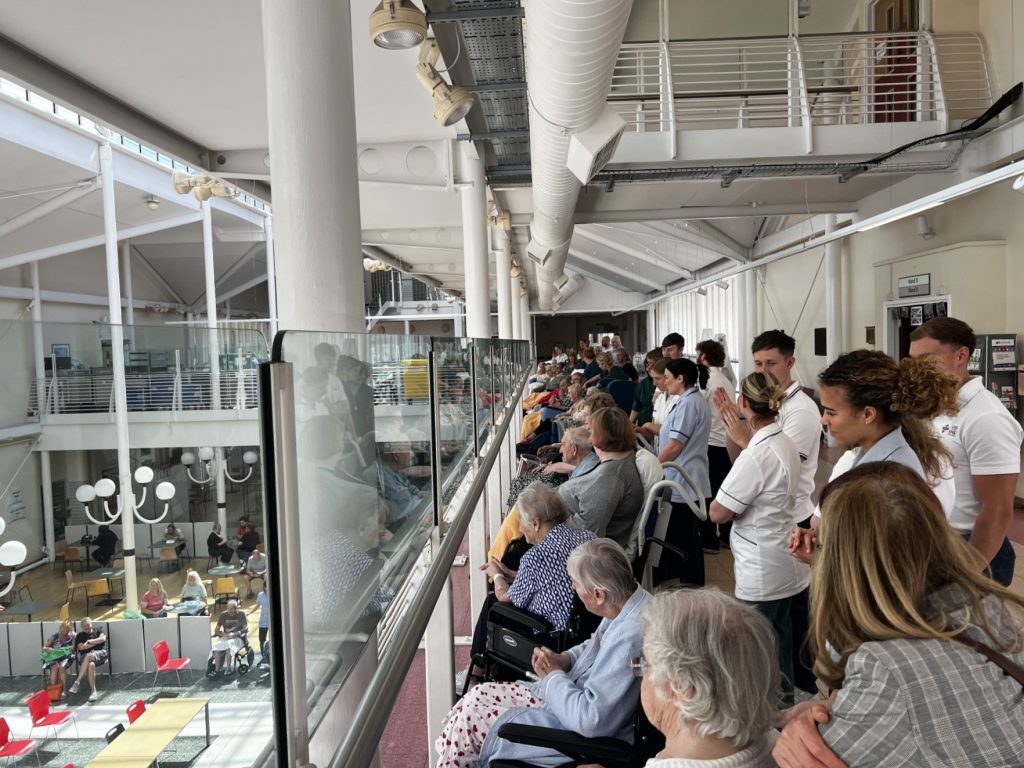
“People were up dancing, clapping along, and singing, which showed they were fully engaged and having a good time. Moments like these highlight the power of music to lift spirits and connect people, especially in community settings like The Friendship Cabin.”
Pearl Weepers, Founder and Volunteer Coordinator at The Friendship Cabin
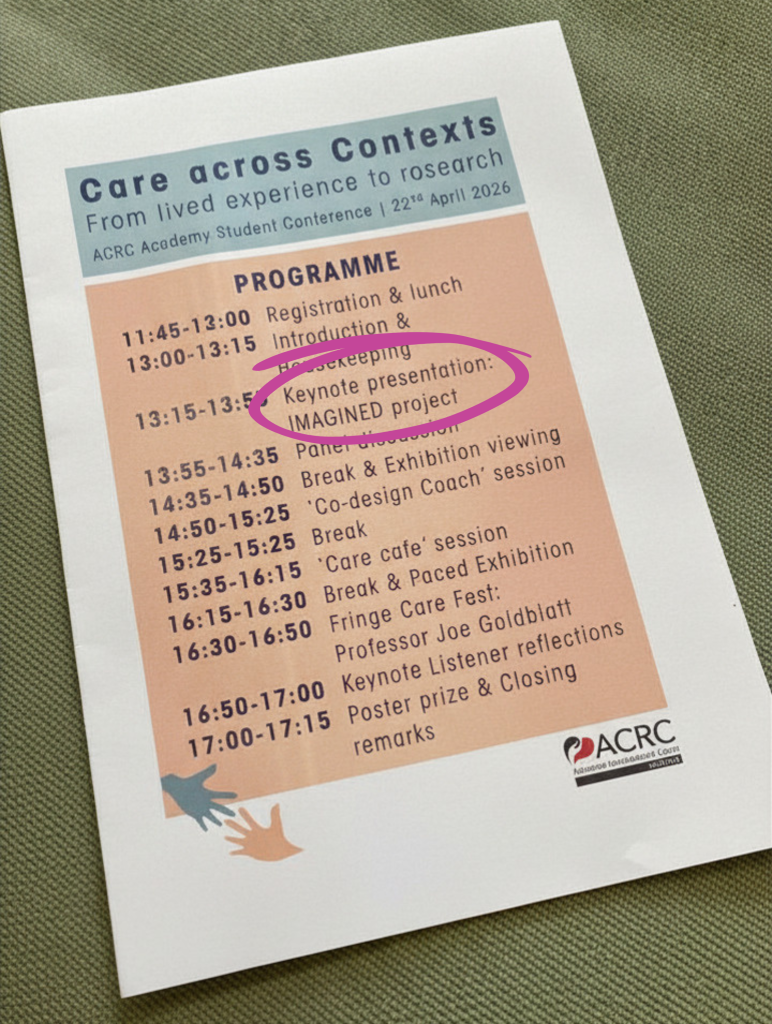
IMAGINED
IMAGINED
There are an estimated 982,000 people in the UK living with dementia, but more than a third of people with the condition do not have a diagnosis. The number is expected to rise to 1.4 million by 2040 (alzheimers.org.uk). This remains a priority area for our live music, as we know the important benefits it can have for people living with dementia and their loved ones.
“We have been delighted to work in partnership with participatory arts organisations Music in Hospitals &
Care and Scottish Ballet. This project focuses on how to evaluate meaning-making and wellbeing in community and social care settings. IMAGINED’s findings are informing policymakers’ and practitioners’ understandings of how participatory arts and people living with dementia are valued
and evaluated.”